The Ultimate Sourdough Master Dough Recipe
If you’ve ever wished you could make sourdough without having to start from scratch every time you wanted to bake something different, this Sourdough Master Dough is for you.
This recipe is essentially a slightly modified version of my High Hydration, Long-Fermented Sourdough Artisan Bread. The biggest difference is the hydration. This master dough uses a little less water, which makes the dough more stable, easier to work with, and much more versatile.
What is a Master Dough? What do you use it for?
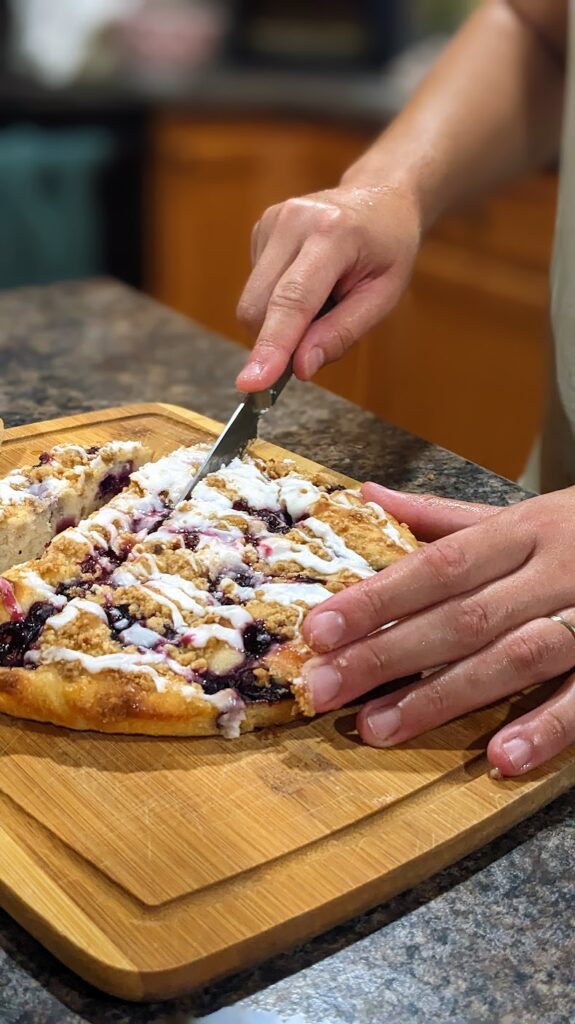
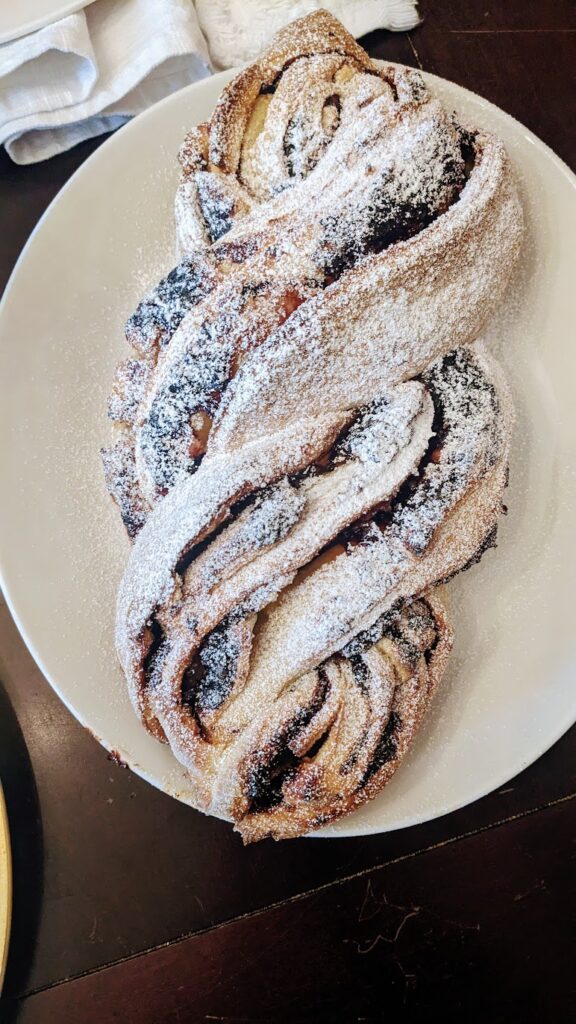
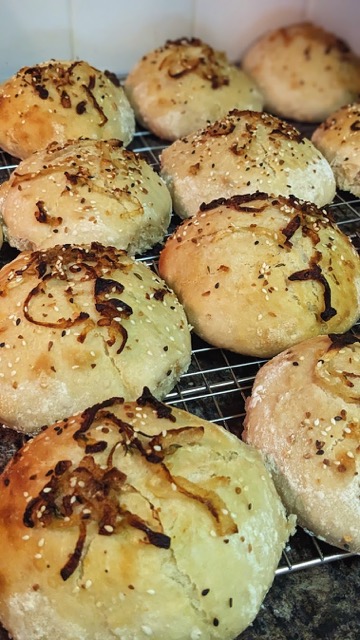
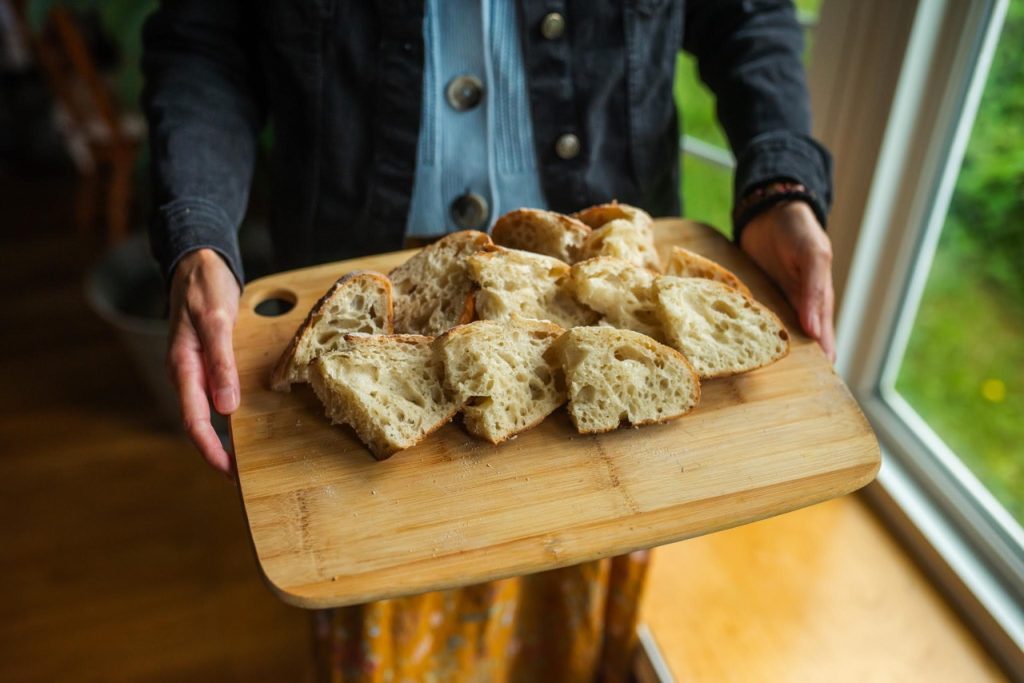
A master dough is essentially a base sourdough dough that you can transform into many different types of bread. Instead of making one dough specifically for focaccia, another specifically for baguettes, another for dinner rolls, and another for cinnamon rolls, you can make one dependable master dough and use it as the starting point for all of them.
I’ve used this dough to make:
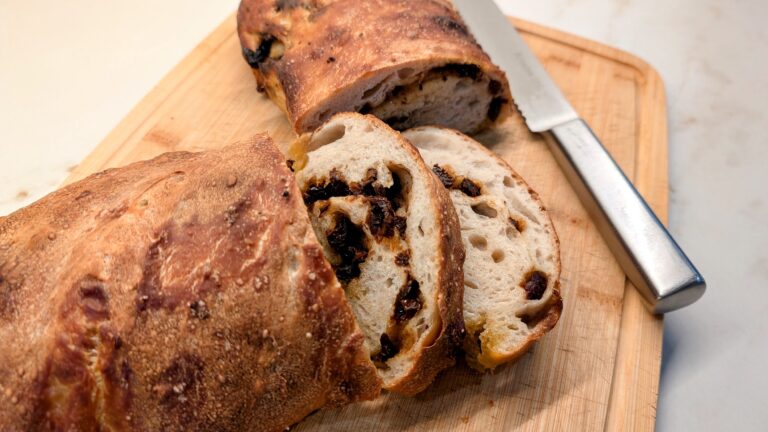
- Artisan sourdough loaves
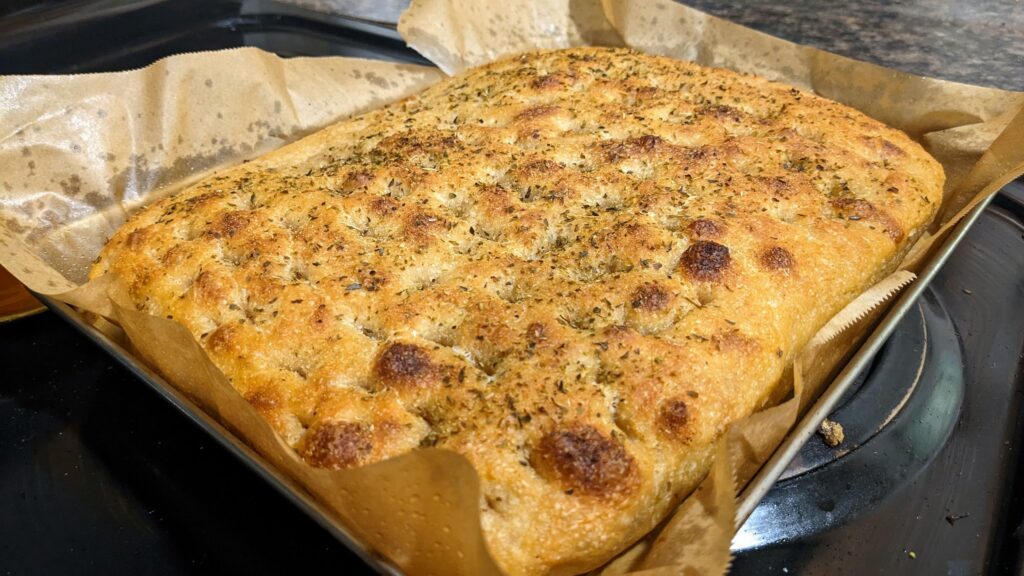
- Focaccia
- Baguettes
- Dinner rolls
- Flatbreads
- Pizza
- And even cinnamon rolls!
Of course you aren’t going to have buttery flaky croissants or cinnamon rolls (because there’s no butter in it), but for the purposes of a rustic home kitchen, this dough is simple and the possibilities are almost endless.
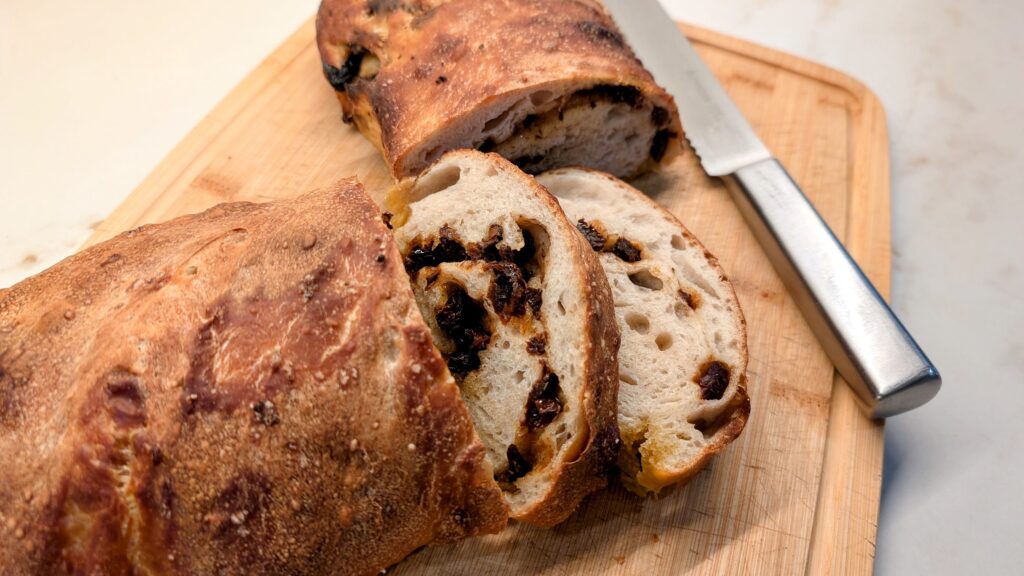
Why I Love a Long-Fermented Dough
As with all my dough recipes, this dough is long-fermented for up to 3 days, but you are welcome to use it before then as well. As long as it goes through a full bulk rise (and considering that you make a double or triple batch), you can use up the dough for different uses at your convenience.
For myself, long fermentation is one of my favorite parts of traditional sourdough baking. Rather than rushing the dough from mixing bowl to oven in a few hours, the slow fermentation gives the sourdough plenty of time to develop its flavor and character. Plus, it makes for a really flexible family schedule when you just need to feed people something delicious in a pinch.
The Beauty of Making Dough Ahead
One of the biggest reasons I recommend this recipe- and you could even call the process of having a master dough a “lifestyle”- is simply for convenience. You can make your dough once and then have it ready in the refrigerator when you want to bake. For example, Monday could be focaccia day, Tuesday you can bake a rustic loaf, and Wednesday you can make cinnamon rolls.
This is especially helpful if you’re trying to incorporate more homemade bread into your routine. Sourdough doesn’t have to mean spending hours in the kitchen every day. Once you get comfortable with the process, it can become a simple rhythm of mixing, fermenting, shaping, refrigerating, and baking. Then you just pull from it when you need it!
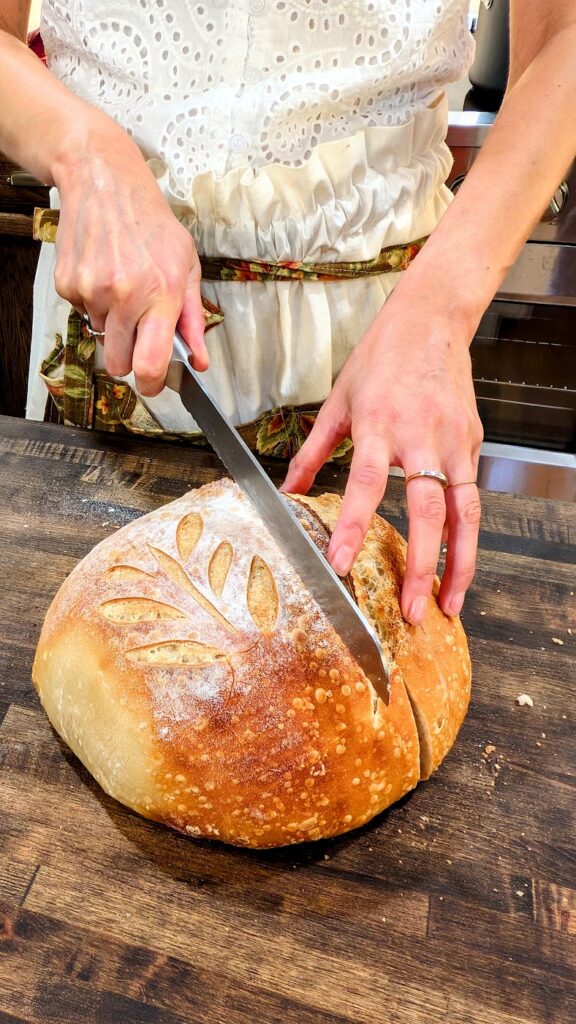
Don’t Be Afraid to Experiment
One of my favorite things about sourdough is that it doesn’t have to be perfect.
You don’t need a dozen specialized recipes to make good bread. You need a good foundational dough and a little willingness to experiment. Use this master dough as your starting point, and then change the shape, toppings, fillings, or baking method depending on what you’re craving.
Add herbs and olive oil and turn it into focaccia. Shape it into baguettes. Divide it into rolls. Add cinnamon and a filling and make cinnamon rolls.
Once you understand the basic dough, you can start creating your own breads instead of simply following recipes. And that’s really what I love about sourdough: one simple dough can become so many different things.
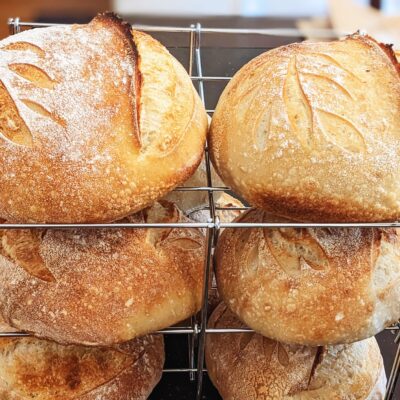
Long-Fermented Sourdough Master Dough
Equipment
- 1 One large mixing bowl, preferably with a lid
- 1 Kitchen scale
- 1 Clean kitchen towel or tea towel
- Optional but helpful: bench scraper, dough whisk, fork, plastic oven bag or plastic wrap if you don't have a lid
Ingredients
- 50-75 g sourdough starter
- 300-325 g filtered water warmed slightly
- 500 g organic unbleached all-purpose flour or bread flour
- 10 g sea salt
- 10 g honey optional
Instructions
- Feed your Starter: about 3-4 hours before starting your dough, add equal parts flour and water to your starter with a clean fork. Cover and let rest for a couple of hours until it’s bubbling and doubled in size.
- Pro tip: Triple this recipe so that you have enough dough throughout the week to make multiple baked goods.
- Make the Dough: Add 50 g (1/2 cup) starter 375 (1 1/2 cups) grams of warm filtered water to a bowl. Mix to combine using a fork or dough whisk. Add 500 g (around 2 cups) organic unbleached all-purpose flour, and then 10 grams (1 ¼ tsp) salt to the same bowl. Add honey if desired. Combine with a fork, dough whisk or your hands until it resembles a shaggy dough. Cover with a clean towel for 1 hour and let rest.
- Stretch and Fold: Stretch and fold dough every 30 minutes for a total of 4 times over the next 2-2.5 hours (to see how to do this, watch the tutorial). Cover with a clean towel or lid between each stretch and fold. If you dip your hands in a little bit of water before stretching and folding, it keeps the dough moist and from sticking. At this point the dough should firm up a little bit and have a nice gluten structure each time you stretch and fold it.
- Bulk rise: Let your dough rise for 6-10 hours (around 6 in the summer, 10 in the winter). After the bulk rise, you can either place your dough in the fridge or use it in a recipe.
- If you plan on using your dough to make anything but an artisan loaf (pizza dough, focaccia bread, dinner rolls, sandwich bread, pretzels, cinnamon rolls), shape the dough into a nice ball and place an airtight lid on your bowl and refrigerate until ready to use later in the week. It will keep for 4-6 days at most.
- Optionally, if you want to make an artisan loaf AND other bread products from your dough- take half of your dough to leave out for the “bulk rise”(8-10 hours) and follow the rest of the Artisan Loaf recipe instructions. Then with the rest of the dough, shape it into a ball with your hands and put it in another container with an airtight lid. Place in the fridge.
- For any of your breads, remove your dough from the fridge and bake according to the given instructions of your other recipe.